Table of Contents
Equally as you 'd see a medical professional for a physical health worry, consulting a mental health and wellness professional for emotional or mental obstacles is a clever, aggressive selection. If you're still undecided concerning whether treatment is ideal for you, start with the 10 things no one tells you about beginning therapy or some of one of the most regularly asked concerns regarding therapy. Past the research, therapy gives functional benefits that prolong much past sign decrease.
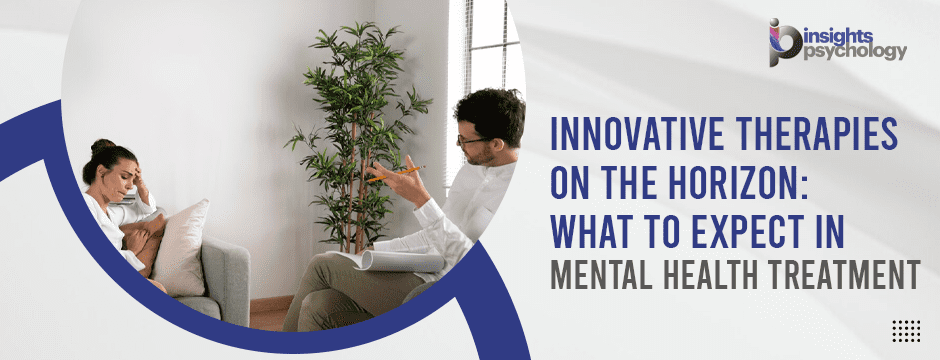
A specialist aids you understand what you're really feeling, offering support and understanding that can be grounding, especially if you've been bring things alone for a long time. When you're in the center of stress or unpredictability, it can be tough to see the full photo. Therapists bring an outside viewpoint that isn't formed by your past, your connections, or your expectations of yourself.
If you've made it this far and you're still asking on your own, "do I require treatment?" the solution is probably indeed. Also if you doubt, attempting therapy doesn't commit you to anything irreversible. Think of it as an investment in yourself and your health. Beginning treatment doesn't need to be overwhelming or take months.
Your specialist assists you show, make links, and understand yourself with even more quality. The majority of sessions end with a quick check-in to assist you feel based and prepared for the week in advance.
Evidence for Mental Health Treatment
Your specialist can additionally assist identify which approach fits finest based on your objectives and readiness. It's handy to understand the distinction in between inpatient vs. residential treatment, as well as inpatient therapy vs. outpatient treatment. Optimum treatment takes right into account a teenage's individual needs and background, as well as their extent of their diagnosis.
Hence, teens might receive therapy first in an inpatient mental health and wellness system of a healthcare facility, transfer to a property setup, step down to an outpatient program, and afterwards obtain weekly treatment and/or participate in support system at a community teen psychological health and wellness center. Offered all these options, it can be hard for parents to distinguish the difference, not to mention understand what their child requires to recoup.
Teen Bipolar Disorder
Within those groups are a lot more refined distinctions. Let's take an appearance at the distinction between inpatient and residential treatment, in addition to inpatient vs. outpatient psychological health and wellness programs. The primary distinctions between inpatient vs. household therapy are where it occurs, the size of keep, and the overall treatment objectives.
Usually, inpatient therapy is for teens that remain in the intense stage of a mental health and wellness disorder and require continual support. Inpatient stays typically follow a teen emergency clinic visit for a suicide attempt or other dilemma scenario. Thirty days is generally the maximum time for inpatient teenager mental wellness therapy.
Importance of Relationships Alongside Group Therapy
Some medical facilities supply compound misuse treatment. On top of that, a psychological medical facility could have a specialized system for consuming disorders. Normally, the goal of inpatient treatment is to stabilize the individual and ensure they are not a threat to themselves or others. Following inpatient treatment, teenagers who call for long-lasting treatment are often moved to teen residential treatment, often referred to as property inpatient therapy.
property treatment, it's handy to recognize that property treatment concentrates on long-term healing instead of situation monitoring. Since teenagers stay for one to three months in property treatment, there is more time to attend to the source of mental health and behavior issues. We understand that connecting can be tough.
:max_bytes(150000):strip_icc()/types-of-therapy-5202924-Final-fe89f3548cc74ba5b0e8320cc4542b5b.jpg)
A domestic routine for teenagers consists of clinical care, experiential tasks, and academics. While in domestic treatment, clients reside in a comfy, homelike setting and are managed by qualified team. Employee include psychiatrists, specialists, counselors, registered nurses, dietitians, and experiential treatment experts. As we have seen, domestic treatment is generally the next step in a teen's healing trip after inpatient care in a hospital.
Bilateral Stimulation for Bipolar Disorder
It's hard for moms and dads to send their kid far from home. The lasting benefits of this selection can be life changing. Research study reveals that the framework and continuous assistance of a residential program is the most effective method to attain lasting healing from depression, anxiousness, trauma, and co-occurring behavioral concerns like chemical abuse and self-harm.
When researching psychological health and wellness choices, it's natural to start the search close to home. The ideal mental health and wellness treatment for a person's specific medical diagnosis and demands may not be offered in your area.
Peer Support Advantages
Within those categories are much more subtle distinctions. Allow's take a look at the difference in between inpatient and residential therapy, along with inpatient vs. outpatient mental health programs. The main distinctions in between inpatient vs. domestic therapy are where it happens, the length of keep, and the general treatment goals.
Commonly, inpatient treatment is for teenagers who are in the severe phase of a psychological wellness problem and need continuous assistance. Thirty days is usually the optimum time for inpatient teenager mental health treatment.
Some medical facilities supply substance misuse treatment also. Furthermore, a psychological hospital may have a specialized device for consuming disorders. Usually, the goal of inpatient therapy is to maintain the patient and guarantee they are not a risk to themselves or others. Complying with inpatient treatment, adolescents that need long-term treatment are commonly transferred to teen household treatment, in some cases described as household inpatient treatment facilities.
domestic treatment, it's handy to recognize that domestic therapy focuses on long-term healing rather than crisis monitoring. Since teens stay for one to 3 months in residential care, there is more time to resolve the origin creates of mental wellness and behavior concerns. We know that connecting can be tough.
Permanent Growth Through Bipolar Disorder
While in residential therapy, clients live in a comfy, homey setting and are managed by trained staff. Personnel members include psychoanalysts, therapists, counselors, nurses, dietitians, and experiential therapy professionals.
It's difficult for parents to send their kid away from home. The long-term advantages of this option can be life altering. Research study reveals that the framework and recurring support of a household program is one of the most reliable way to attain lasting healing from clinical depression, anxiety, trauma, and co-occurring behavioral concerns like chemical abuse and self-harm.
When looking into psychological health alternatives, it's all-natural to begin the search near home. Nonetheless, the most effective psychological health and wellness therapy for a person's particular diagnosis and demands might not be readily available locally. As a result of the existing shortage of mental wellness service providers and therapy programs, the chance is that the best program will not remain in your immediate area.

Navigation
Latest Posts
Perfectionism in Physicians
Unconscious Material in Psychoanalytic Work for Unconscious Exploration
Managing Adaptation Difficulties Through Professional Support